Shopping Cart

 Products
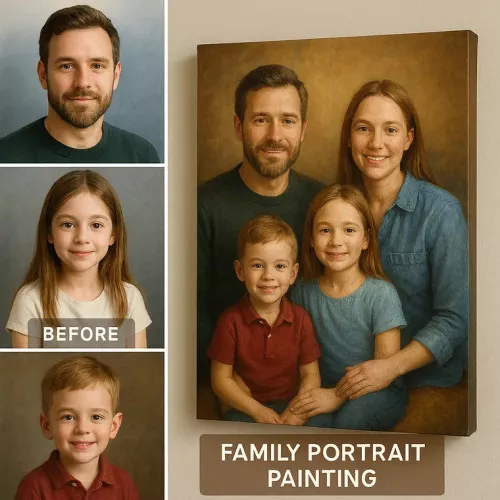
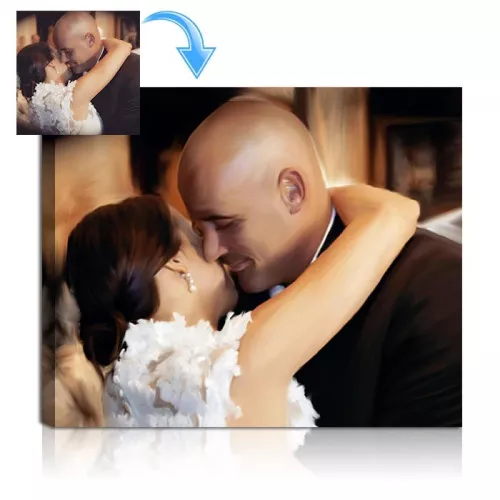



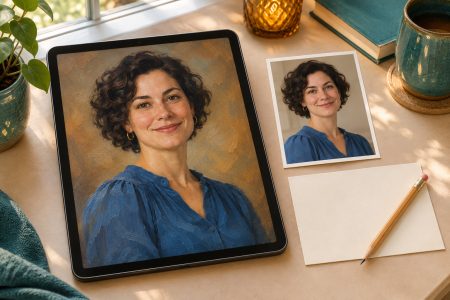

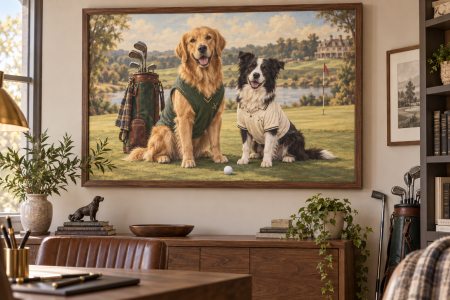
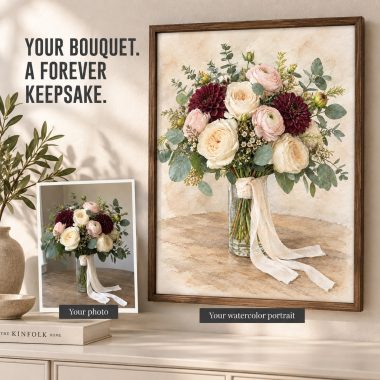


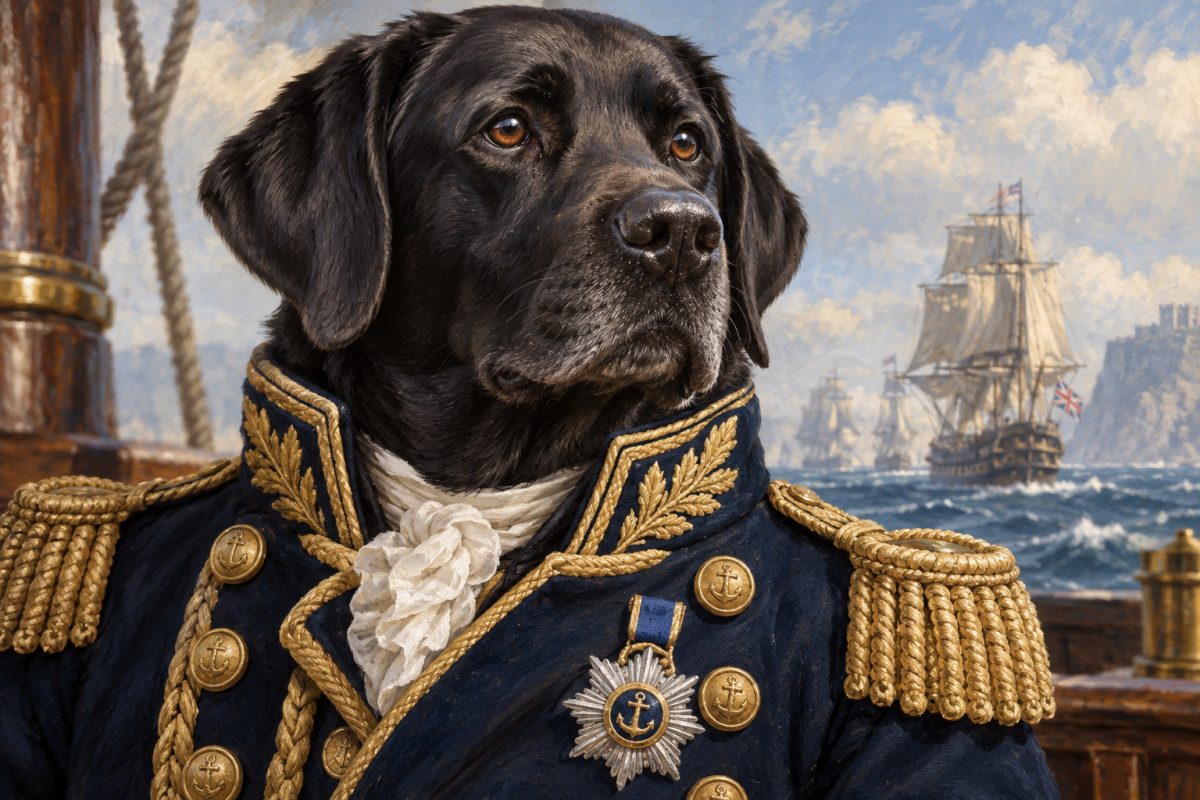
Images are AI-created editorial illustrations, not customer photographs or completed orders. See the product galleries for the available designs.
You do not need a photograph of your pet wearing a crown, gown or uniform to commission a royal pet portrait. An everyday photo can provide the likeness, while the character design supplies the costume. What matters most is being able to see the features that make your companion recognizable.
Whether you choose a Duchess dog portrait, a Renaissance cat portrait or an Admiral design, start with a sharp original image and an expression you like. You can compare the characters in our royal pet portrait style guide.
Bring the camera toward your pet's eye level
A photograph taken from far above can make the forehead look larger and hide the muzzle or chest. Move the camera closer to the level of your pet's face, leaving room around the ears. Keep a comfortable distance rather than pushing a phone close to the nose.
A front-facing or gentle three-quarter view is often a useful reference for a formal portrait. A strong side profile may suggest a different composition, so ask whether it suits the chosen design before making it your only reference. You do not have to force a pose: try photographing the pet while it is relaxed and attentive.
Use light that reveals the eyes and coat
Soft window light or outdoor open shade can help show facial detail. Check that one side of the face is not lost in deep shadow and that bright light has not removed detail from white fur. Keep the original colors when accurate markings matter, rather than applying a strong filter.
For a black dog or dark cat, zoom in on the image and make sure you can distinguish the eyes, nose and surrounding fur. A silhouette may look striking as a photograph but provide little information for a likeness. For pale pets, inspect the boundary between the face and a bright background.
Keep the face and distinctive markings visible
- Include the entire head and both ears when the pose allows.
- Check that the eyes are in focus.
- Avoid toys or another pet covering the muzzle.
- Choose a photo with a familiar expression.
- Keep whiskers and facial patches visible where possible.
- Send the original file instead of a screenshot.
A distracting room behind the pet is usually less important than a clear face because the chosen portrait has its own setting. If a collar or tag hides part of the neck, supply another reference if available and explain which features should remain.
Choose the expression before the outfit
A calm look can feel regal, but the portrait should still resemble the pet you know. A head tilt or alert gaze may be more characteristic than a perfectly centered pose. Compare a few candidates at the same size and decide which expression the recipient would immediately recognize.
The Doggy Duchess portrait uses your dog's photo for an elegant character. The Shakespearean portrait and Admiral portrait can use dog or cat photos. You do not need to dress the animal for any of these designs.
Give extra photos a clear purpose
Choose one main image for the face and pose. Add another when it clarifies something specific, such as a white chest patch, an ear shape or the color of the eyes. Tell the artist what each photo should guide so the references do not imply conflicting choices.
For multiple pets, choose the appropriate Number of Subjects and provide a useful reference for each animal. They do not have to appear together in one photograph. Explain the intended arrangement, relative sizes and which pet belongs to each image.
If the only meaningful photo is old, small or blurry, ask whether it is suitable before choosing a large canvas. Increasing the file dimensions does not restore missing facial information. A second clear reference may help, but it cannot guarantee recovery of every hidden detail.
Use the optional proof to check likeness
Select the artwork proof option on the chosen product if you want to review the design before production. Begin with the face: compare eye shape, muzzle proportions, ear placement, markings and expression. Then check the costume, background and crop.
Make feedback specific. “Keep the small white patch beneath the chin from photo two” gives clearer direction than “make it more like my dog.” Confirm requested changes before approving and allow time for review when planning a gift.
Ready to choose a character? Explore the royal pet portrait collection with your favorite reference photo in mind.