Shopping Cart

 Products








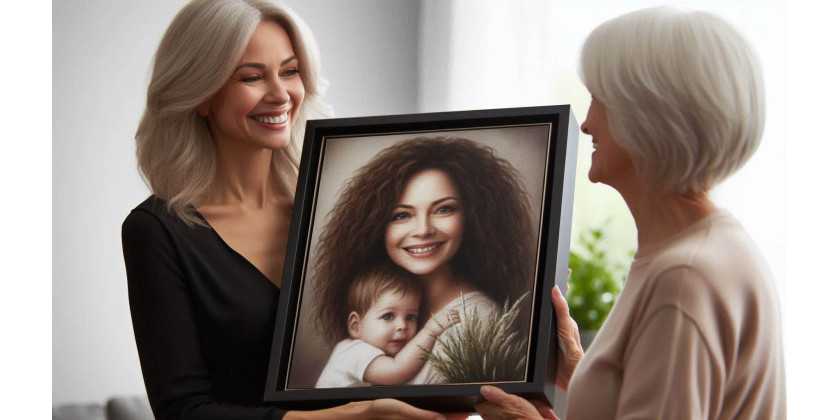







A house portrait can be a personal realtor closing gift because it celebrates the place your client has chosen, rather than the transaction itself. But the details matter: which home should it show, whose photograph can you use, and should an address or family name appear beneath the artwork?
This checklist is for planning a custom house portrait closing gift with the recipient in mind. It focuses on the decisions to make before ordering, from gathering references to handing over a gift that is easy to enjoy.
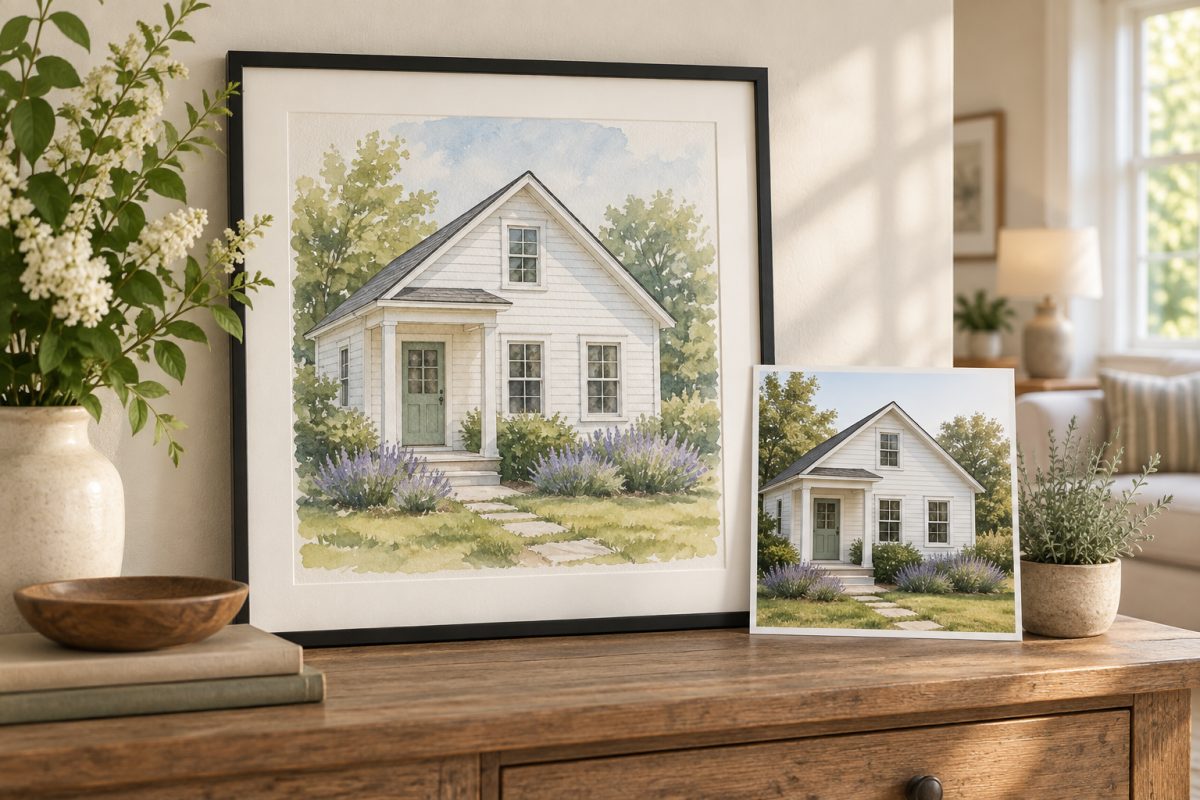
Lead image: AI-generated planning illustration of a house photograph beside watercolor-style artwork. It is not a customer order or an exact preview of your finished gift. The frame and presentation are illustrative.
Choose the home that matters to the recipient
For a buyer, the new home is often the natural subject. For a seller leaving a longtime family home, the property they are saying goodbye to may mean more. A downsizing client and a first-time buyer can have very different feelings about the same milestone.
Start with one quiet question: “Would you most enjoy remembering this home or celebrating the next one?” If the gift needs to stay a surprise, use what the client has already told you. When you are unsure, avoid wording that assumes they see the move as a happy farewell or a permanent destination.
Also decide which version of the home to depict. A familiar porch, mature garden or former door color can be part of its identity. Note these details before choosing a reference; the newest listing photograph is not always the most meaningful view.
Gather a clear main photo and a useful detail reference
Choose one primary exterior image that establishes the view you want. A full front view emphasizes the facade; a gentle angle can show porch depth or an extension. Include the roof and building edges so the composition is not defined by an accidental crop.
For a custom watercolor house portrait, the live product guidance recommends a clear daytime photograph with the roofline, windows and entrance visible. Send the original file when possible. Use extra photographs to explain details, rather than expecting the artist to combine several conflicting views without direction.
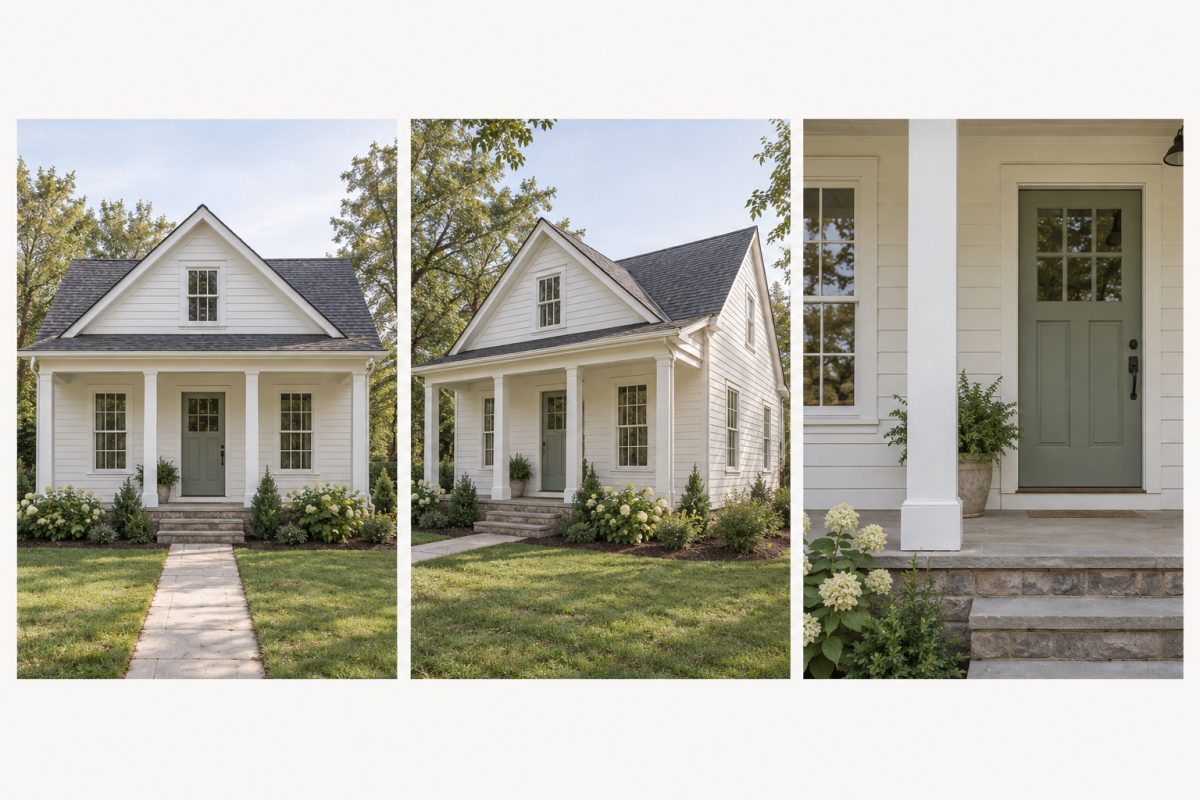
Do not assume a listing image is yours to reuse because you can download it. Use a photograph you took and are permitted to use, a client-supplied image with permission, or an image whose owner has allowed this use. If that is unclear, arrange a fresh exterior photo instead.
For more help with light, angles and older photographs, see our custom house painting and reference-photo guide.
Make personalization optional, not automatic
An address, surname or date can make the artwork more specific, but a text-free house portrait is a thoughtful choice too. It avoids assumptions about how the household wants to be named and keeps the architectural subject central.
- Names: ask for the exact spelling and preferred household wording. Do not infer a shared surname.
- Address: check every number and abbreviation if it is requested. Some recipients may prefer no address displayed.
- Date: confirm what the date represents. A closing date, move-in date and the home's construction year are different things.
- Agent branding: consider putting your business details on the accompanying card rather than making them part of the artwork.
The watercolor house portrait offers optional personal wording. Supply the exact text you want, or clearly request no wording. If you hope to share a photo of the finished gift in your marketing, ask the recipient first, particularly when the image reveals their home or address.
Write a short brief that separates essentials from preferences
A helpful brief identifies the main reference and the details that must remain recognizable. It also makes clear which changes are requests to assess, rather than assumed features.
“Please use Photo 1 for the main view. Photo 2 shows the front-door color more accurately. Keep the porch railings and the flowering shrub beside the steps. No wording, please. If practical, leave out the bins beside the driveway.”
This is an example brief, not a customer testimonial. The watercolor product page says small distractions such as cars, bins or wires can often be removed when practical. If an object hides a large part of the building, provide another view instead of expecting missing architecture to be guessed. Discuss substantial changes before placing the order.
Match the style and finish to the recipient's space
A watercolor-style house portrait has a softer, airy appearance. It can suit someone who prefers gentle color and an understated keepsake. Consider the recipient's room and existing artwork rather than your office decor. Our oil-style versus watercolor guide explains the broader visual differences.
The watercolor house portrait is artist-created digital artwork produced on canvas; it is not a traditional watercolor painted directly onto canvas. Its current finish choices include deep gallery wrap, brown, black or white framed canvas, and rolled canvas. Gallery wrap and framed finishes are ready to display; rolled canvas requires separate stretching or framing.
For a gift, that last distinction matters. Choose rolled canvas only when arranging the finishing is intentional. If you do not know the available wall space, ask discreetly or choose after discussing the options with the recipient. Room examples illustrate a look, not exact scale.
Plan the proof and the gift handoff separately
The watercolor house portrait includes a free digital proof before production. Decide who will review it: you, the client, or someone the client has asked to help. A surprise is only worthwhile if the important details are right.
Check the roofline, window arrangement, entrance, paint colors and requested wording. Compare the proof with the chosen reference, then review the overall crop. Send specific corrections together where possible, such as “keep the door color from Photo 2,” rather than “make it feel more like the house.”
Before promising a closing-day presentation, check your deadline with the team. Allow for photo questions, proof review and delivery without assuming a fixed turnaround. If the timing is uncertain, a personal card explaining the planned gift can keep the milestone meaningful while the artwork is completed.
A final closing-gift checklist
- The recipient's preferred home and view are clear.
- You have permission to use the reference photograph.
- The main photo is identified, with detail references labeled.
- Personal wording is confirmed exactly or deliberately omitted.
- The size and finish suit the intended display.
- A person is responsible for checking the proof.
- Any delivery deadline has been discussed before you promise it.
- The recipient has agreed before their home or gift is used in marketing.
Common questions
Is a watercolor house portrait only a gift for buyers?
No. A seller may appreciate a keepsake of a longtime home, while a buyer may prefer a portrait celebrating the new one. Choose the subject based on the person and their connection to the property.
Should I add my real estate logo to the portrait?
For a personal gift, a separate card is a discreet place for your contact details. Keep the artwork focused on the home unless the recipient specifically wants branding included; confirm any custom design request before ordering.
Can I order without a family name or address?
Yes. Wording on the watercolor house portrait is optional. A text-free design keeps attention on the architecture and avoids guessing the recipient's preferences.
Ready to plan the gift? Browse the house portrait collection or explore the custom watercolor house portrait and start with one clear photograph of a place that matters to your client.