Shopping Cart

 Products



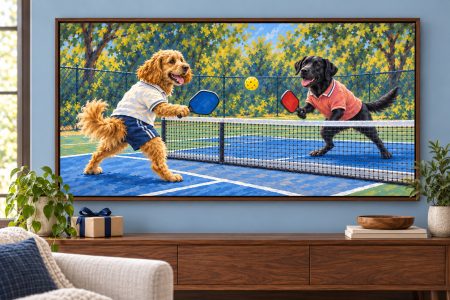

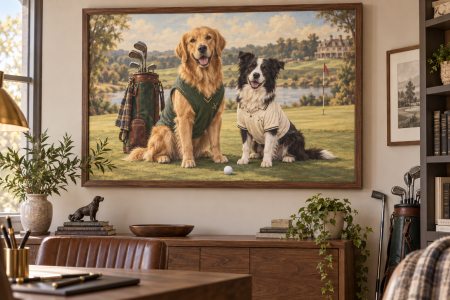


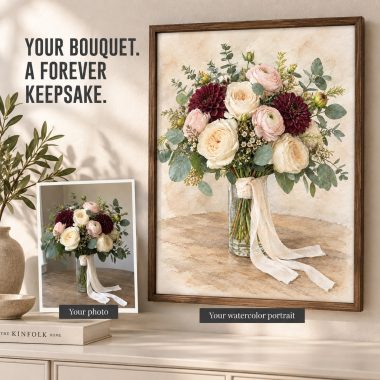

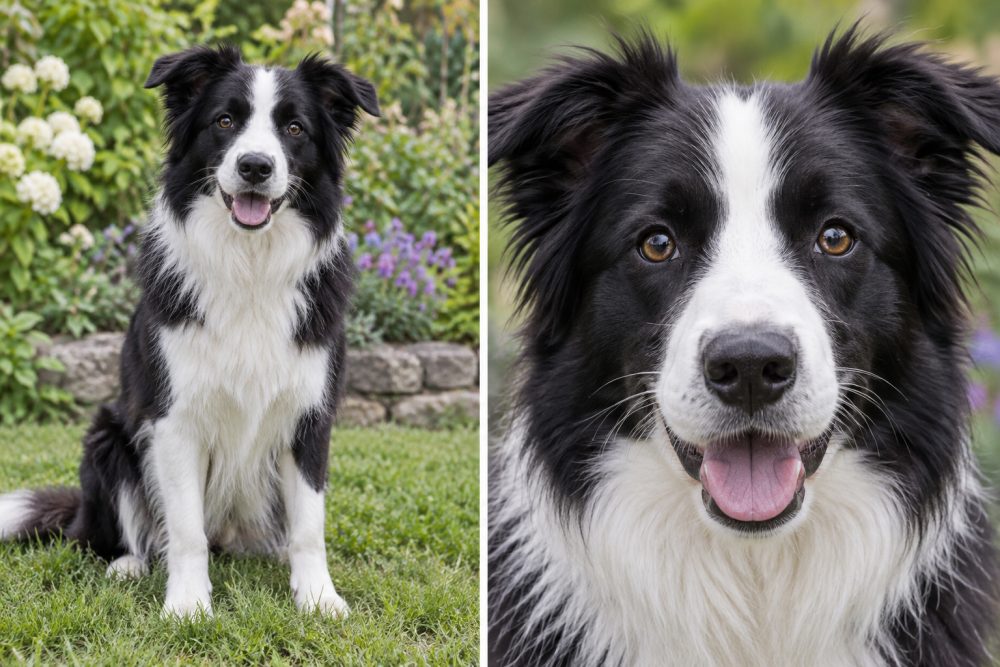
Lead image: an original AI-created illustration for this guide, not a customer photograph or completed order. Room settings are illustrative, not exact size guides.
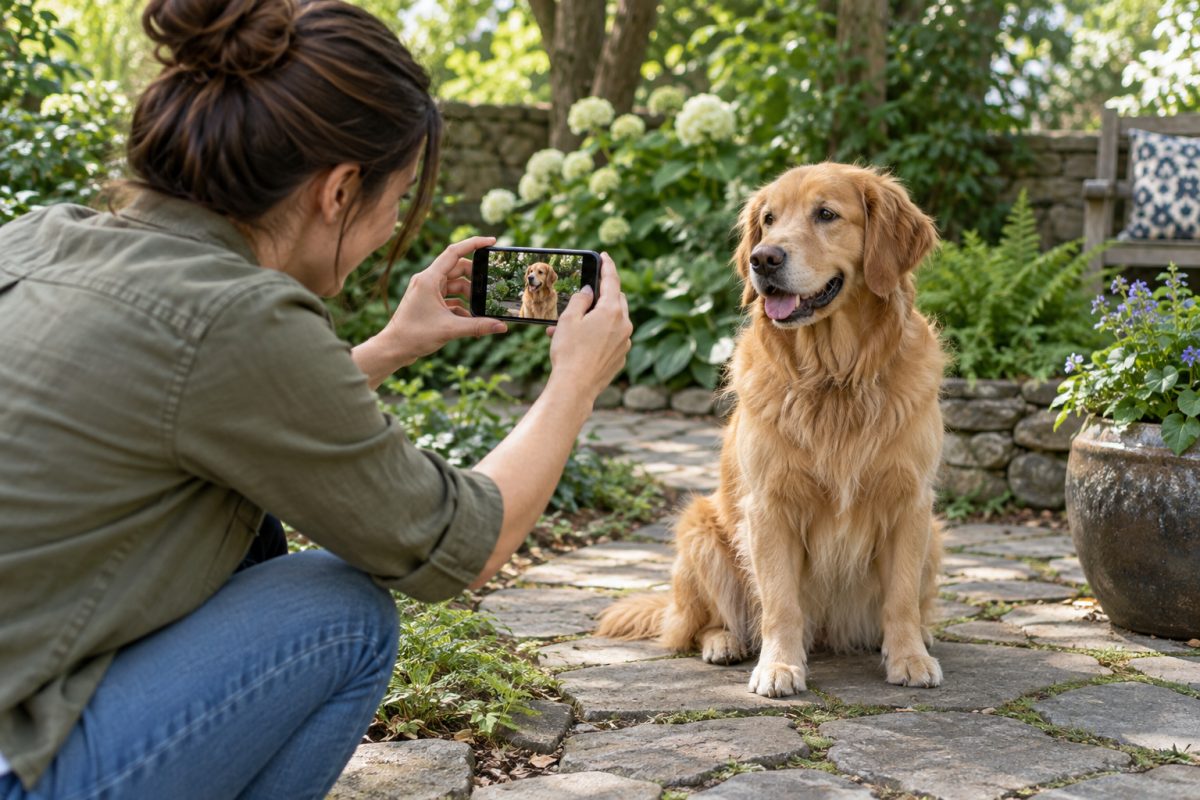
A useful dog portrait photograph does not require a studio. The aim is to show your dog's features clearly in a pose and expression you want to remember.
Start where your dog is comfortable
Choose a familiar, calm spot and take a few short sets of photographs. Let the dog settle rather than forcing a pose. A relaxed expression can be more useful than an awkward image captured after a long session.
Keep the area safe and avoid placing the dog on an unstable surface for the sake of a photograph.
Bring the camera toward eye level
A photograph taken from directly above can make the head look large and the body small. Lower the camera when practical and compare the proportions. Leave space around the ears, head and shoulders so the artist has room to work with the crop.
Use light that reveals the coat
Try soft daylight and avoid strong backlighting that leaves the face dark. Check whether you can see detail in black fur and whether white markings retain texture rather than becoming bright blank areas.
Take several photographs and inspect the eyes and muzzle for sharpness. Motion blur can be hard to see on a small screen. Keep the original files rather than relying on screenshots or heavily compressed copies.
Capture the expression you recognize
Think about what feels characteristic: an alert gaze, a relaxed face or a familiar head tilt. You do not need every image to show the same pose. Select one main reference and use supporting photographs to clarify markings or body proportions.
For more than one dog, separate clear photos may be more useful than one group image with hidden faces. Ask whether the chosen portrait can combine them and explain their relative sizes.
Choose how to turn the photo into artwork
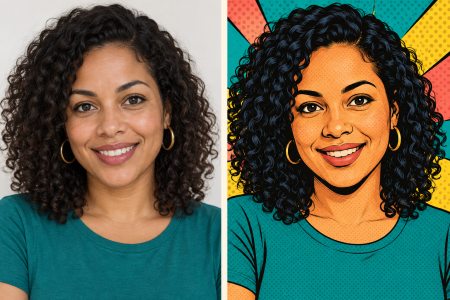
Browse the dog portrait collection to compare treatments. A pencil-style portrait emphasizes tonal detail, while themed artwork can place the pet in a new setting.
For a sporting scene, read the tennis gift guide. Ordinary dog photographs are the reference; the pet does not need to wear the costume or visit the setting.
Prepare clear order notes
Label your main image and identify any features that must stay. Review the selected product's proof options and check likeness, markings and crop before approving when a proof is included or selected.
A clear reference gives the artist more useful information than a long description of details that are not visible. If something important is hidden, supply another photograph or ask what is feasible.