Shopping Cart

 Products



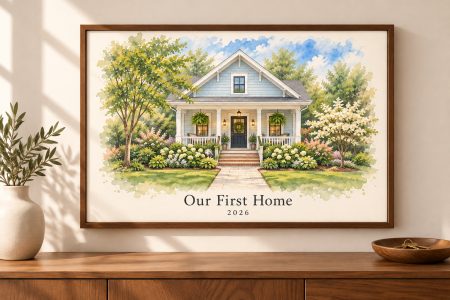
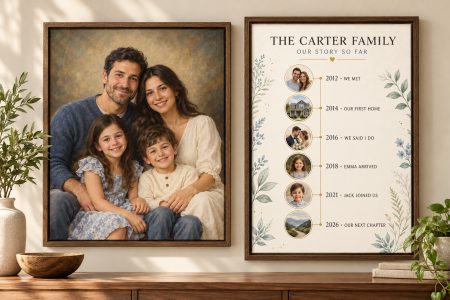
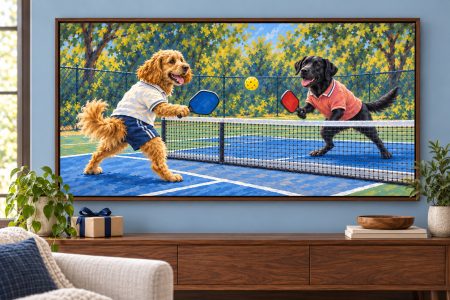
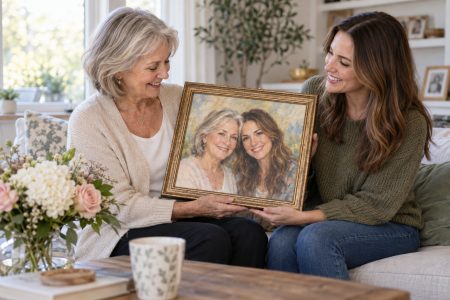
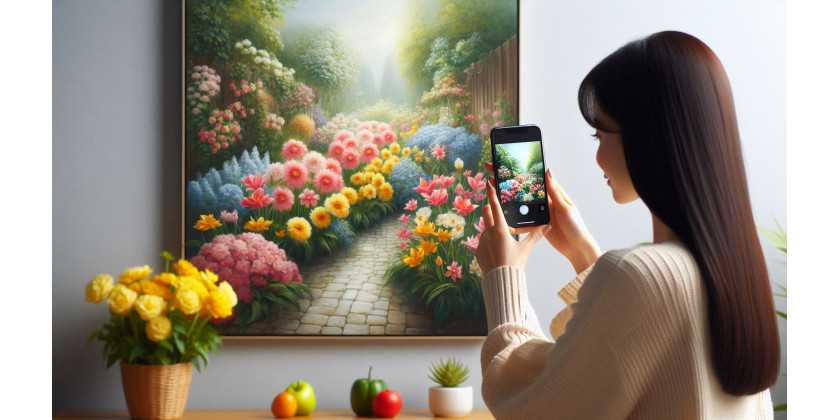
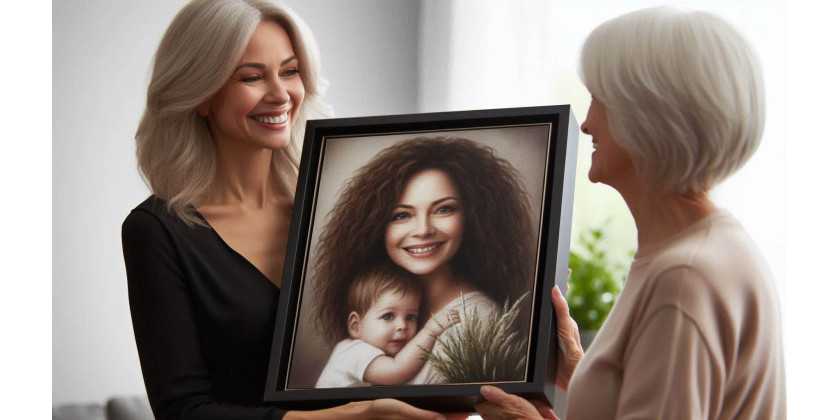

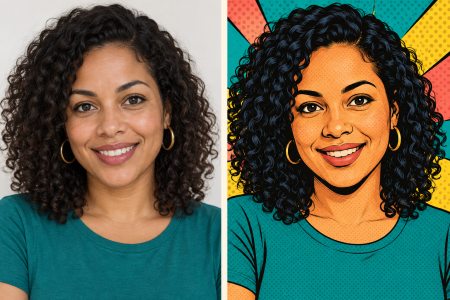


You have a photo you love. Now comes the fun part: deciding how it should look as art. An oil-style portrait can bring warmth, rich color and a traditional painted appearance to that memory. A watercolor-style portrait can make it feel lighter, with flowing color and softly blended edges.
Choose oil style if you love depth and a more substantial painted look. Choose watercolor if you prefer an airy, expressive finish. Both can work beautifully for families, couples, pets and meaningful places. The best choice depends on the photo and the feeling you want to keep.
This guide compares the visual styles available at SnappyCanvas. Our watercolor portraits use digital brushwork, and an oil-style appearance should not be taken as a promise of thick physical oil paint on the canvas.
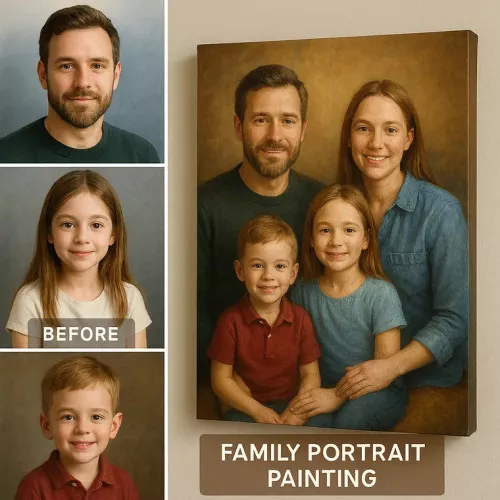
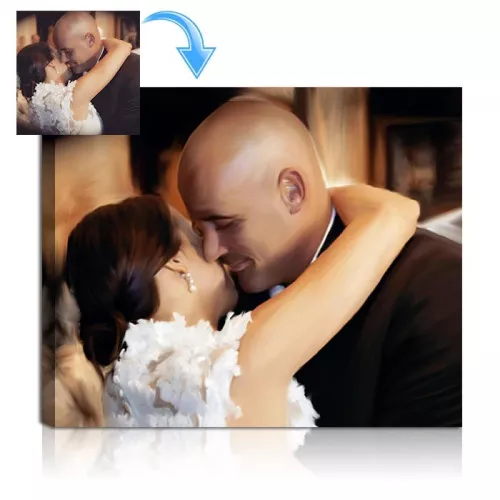
See the difference in two family portraits
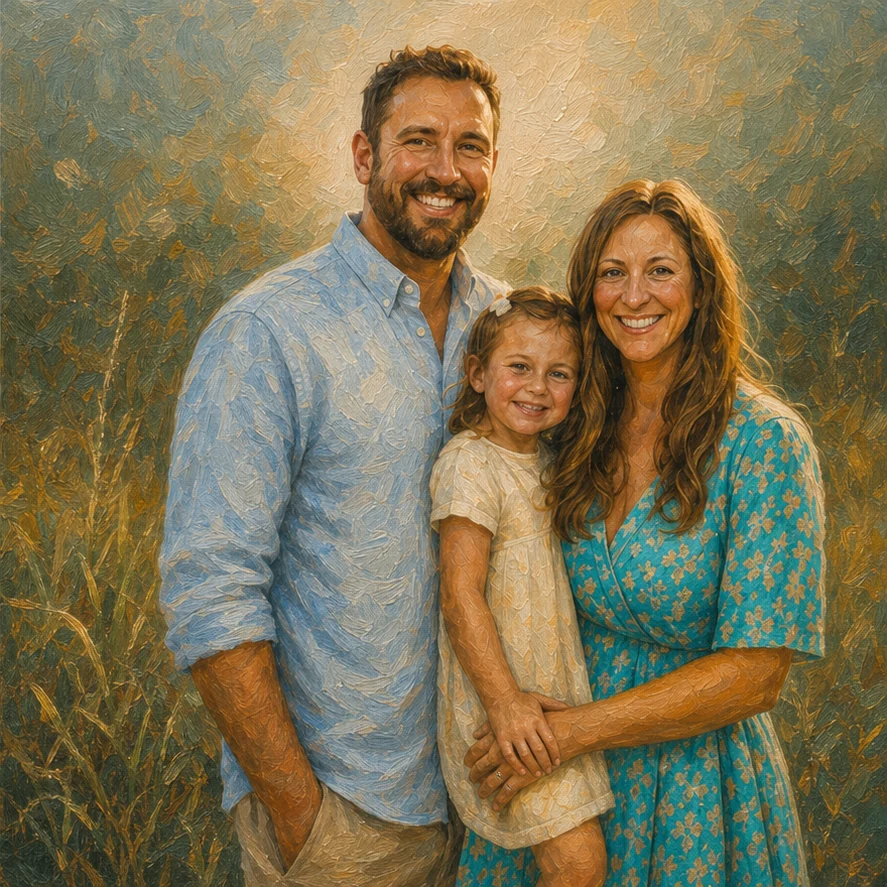
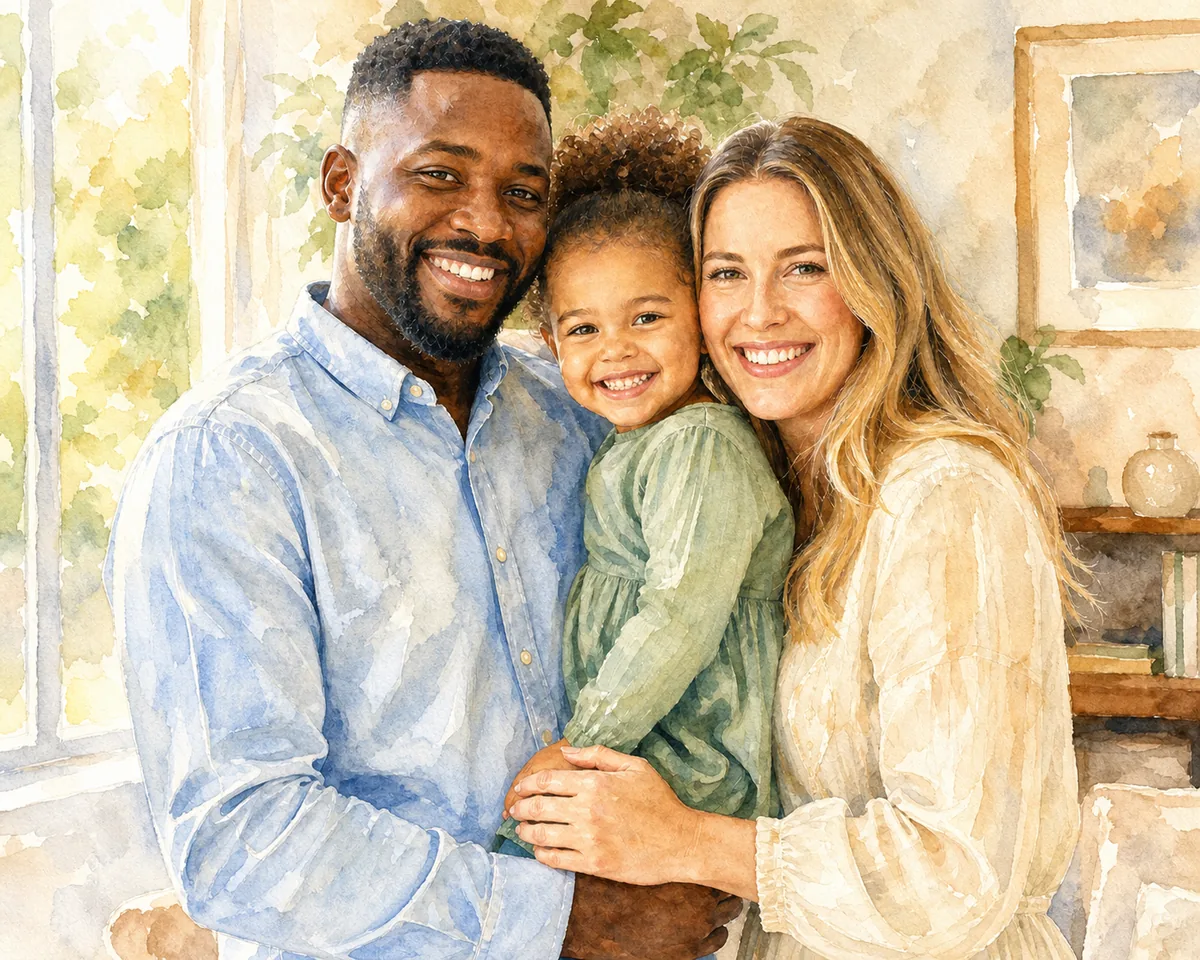
These are two different SnappyCanvas sample portraits, shown to illustrate each style. They are not two treatments of the same photograph.
Oil style or watercolor: a quick comparison
| Your preference | Oil style | Watercolor style |
|---|---|---|
| Overall feeling | Rich, warm and traditional | Light, soft and expressive |
| Color | A fuller, more layered appearance | Wash-like color with lighter areas |
| Background | Can feel substantial and atmospheric | Can fade gently around the subject |
| Details to discuss | How pronounced you want the painted effect | Which details should stay crisp or become softer |
| A good starting point | A classic statement portrait | A relaxed portrait with an airy mood |
These are tendencies, not rules. Oil-style artwork can be bright, and watercolor can have strong color. Look at the samples you like and explain what draws you to them.
When an oil-style portrait is a good fit
If you picture your family portrait as a focal point above a mantel, or want a favorite pet's expression presented with warmth and depth, start with oil style. Its fuller painted appearance can give an everyday photograph a more formal presence.
In the oil-style example above, the muted green and gold background surrounds the family with warmth. The painted treatment is especially noticeable in the clothing and background, while the smiles remain central to the portrait.
Consider this style when you like strong shapes, warm shadows or the look of traditional portraiture. If your photo contains a detail that matters, such as a uniform badge, a piece of jewelry or a pet's markings, mention it in your instructions so its importance is clear.
Explore the oil portrait collection and compare examples with a subject similar to yours.
When a watercolor-style portrait is a good fit
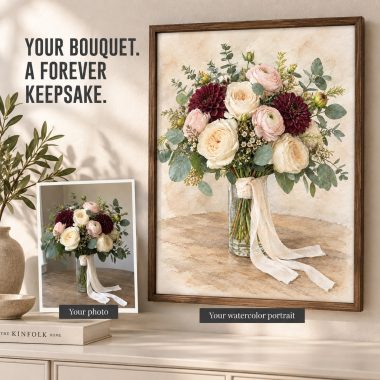
Watercolor style is a lovely starting point when the feeling you want is gentle and relaxed. Light-filled family photos, wedding moments and affectionate pet portraits can suit its soft transitions and flowing color.
Notice how the watercolor example above keeps the faces recognizable while allowing parts of the room and clothing to blend into lighter washes. The background gives the portrait a sense of place without every object demanding attention.
You do not need a pastel photograph to choose watercolor. A colorful image can still work. The useful question is whether you want every background detail to stay prominent or prefer a softer interpretation around the people, pet or place you love.
Browse watercolor portraits from photos to see whether that finish feels right for your image.
Start with the expression, then check the photo
The best portrait often starts with a familiar expression: your child's real smile, your dog's head tilt or the way your parents look at each other. Once you have that moment, check a few practical details before choosing a style.
- Zoom in on faces. Look for visible eyes and recognizable features. A painting effect cannot reliably recover detail that is absent from the source.
- Use the original file when possible. A screenshot or a photo saved repeatedly through messaging apps may contain less detail.
- Check the crop. Leave room around heads and important features. A close crop may need a different canvas shape or composition.
- Explain the background. Say whether it is part of the memory or something you would like simplified.
- Share concerns before ordering. If an older image is blurred or faded, ask what is feasible rather than choosing a style solely to hide the problem.
Think about where the portrait will hang
Look at the wall from the spot where you will usually see it. Do you want the portrait to be the main feature, or a quiet part of a gallery of family memories? A rich oil-style treatment can make a strong focal point. A watercolor portrait can feel at home among lighter, more delicate pieces.
Neither style belongs to only one kind of room. A warm oil-style portrait can soften a modern space, and watercolor can sit beautifully in a traditional room. Compare the artwork's colors with your room, then check the size and finish choices on the product page.
Questions to ask before choosing
Which style is better for a family portrait?
Both can work. Choose oil style for a fuller painted appearance or watercolor for a softer, lighter mood. The expression and composition of your family photo matter more than a rule about which style families should use.
Will watercolor make the faces too soft?
Watercolor style does not have to mean indistinct faces. The sample above balances recognizable facial features with looser surroundings. Point out the facial details you want preserved and discuss the degree of softness you prefer.
Does oil style mean raised paint texture?
A visible brushstroke effect and raised paint are different things. Choose from the appearance shown in the samples and check the specific product's production details if physical surface texture matters to you.
What if I still cannot decide?
Pick one example of each style that you like. Explain what appeals to you, such as the warm background in one or the soft edges in the other, and ask SnappyCanvas for guidance with your photo. If your order includes a proof, use that stage to review likeness, color and composition before final approval.
Choose the style that feels like your memory
Start with the moment you want to preserve, then choose the treatment that makes it feel most like you. Rich and traditional or soft and flowing, your portrait should keep the people and details you care about at its heart.
Explore photo-to-painting styles, or return to the oil and watercolor examples with your favorite photo in mind.