Shopping Cart

 Products
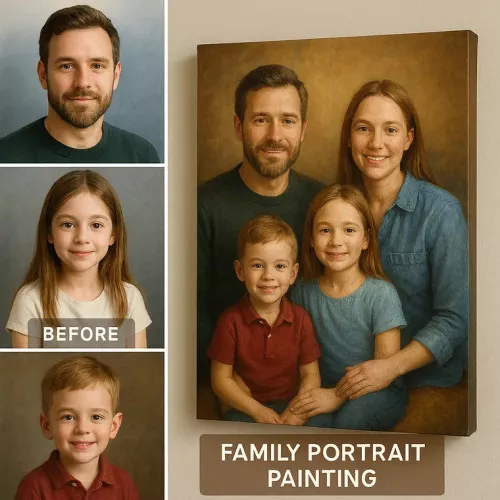
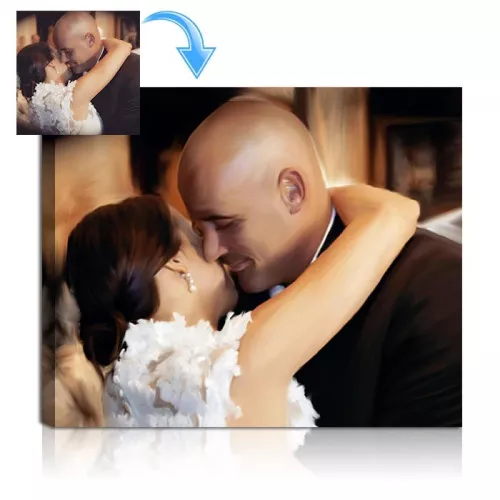



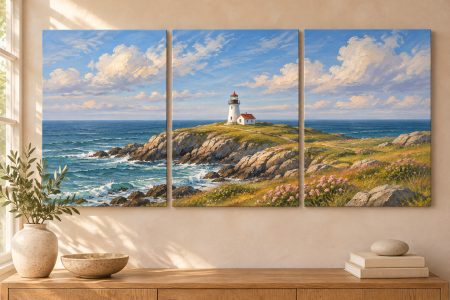

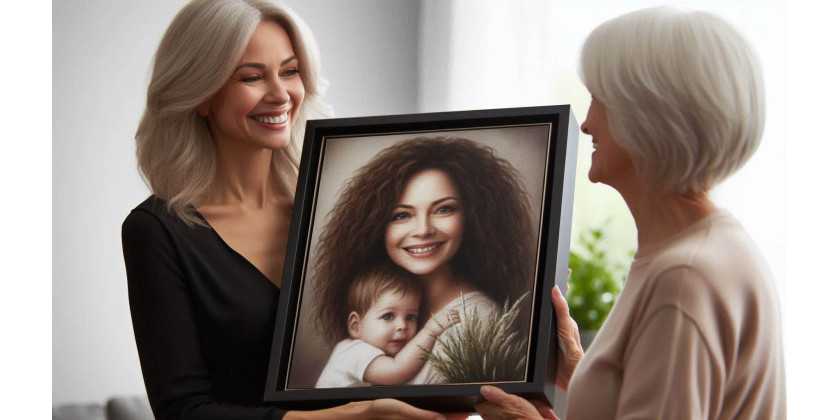
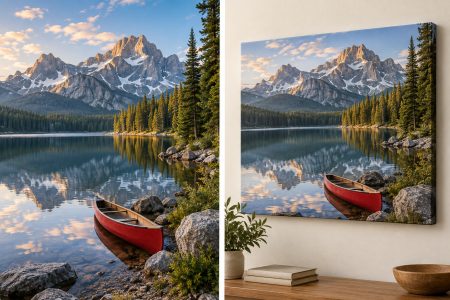

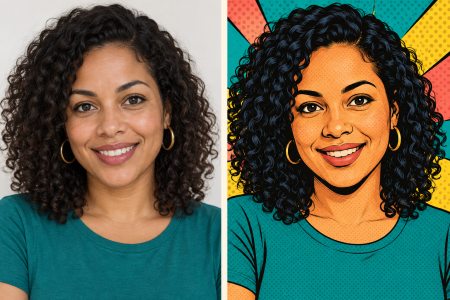
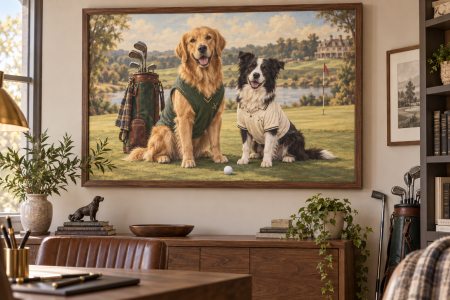



Sometimes the photograph you return to is an ordinary one: your dog waiting by the door, your cat curled into a favorite chair, or a familiar face looking up at you. A pet memorial portrait can give that memory a place in your home.
For a pet memorial portrait, choose a photo with a familiar expression and clearly visible eyes, face and markings. Start with the image that feels most like your companion, then check its clarity and decide which details you want the artist to preserve.
There is no need to choose immediately. You might already know your favorite photograph, or prefer to gather a few and come back to them later. This guide offers practical help when you are ready.
Remembering your pet with a personal portrait
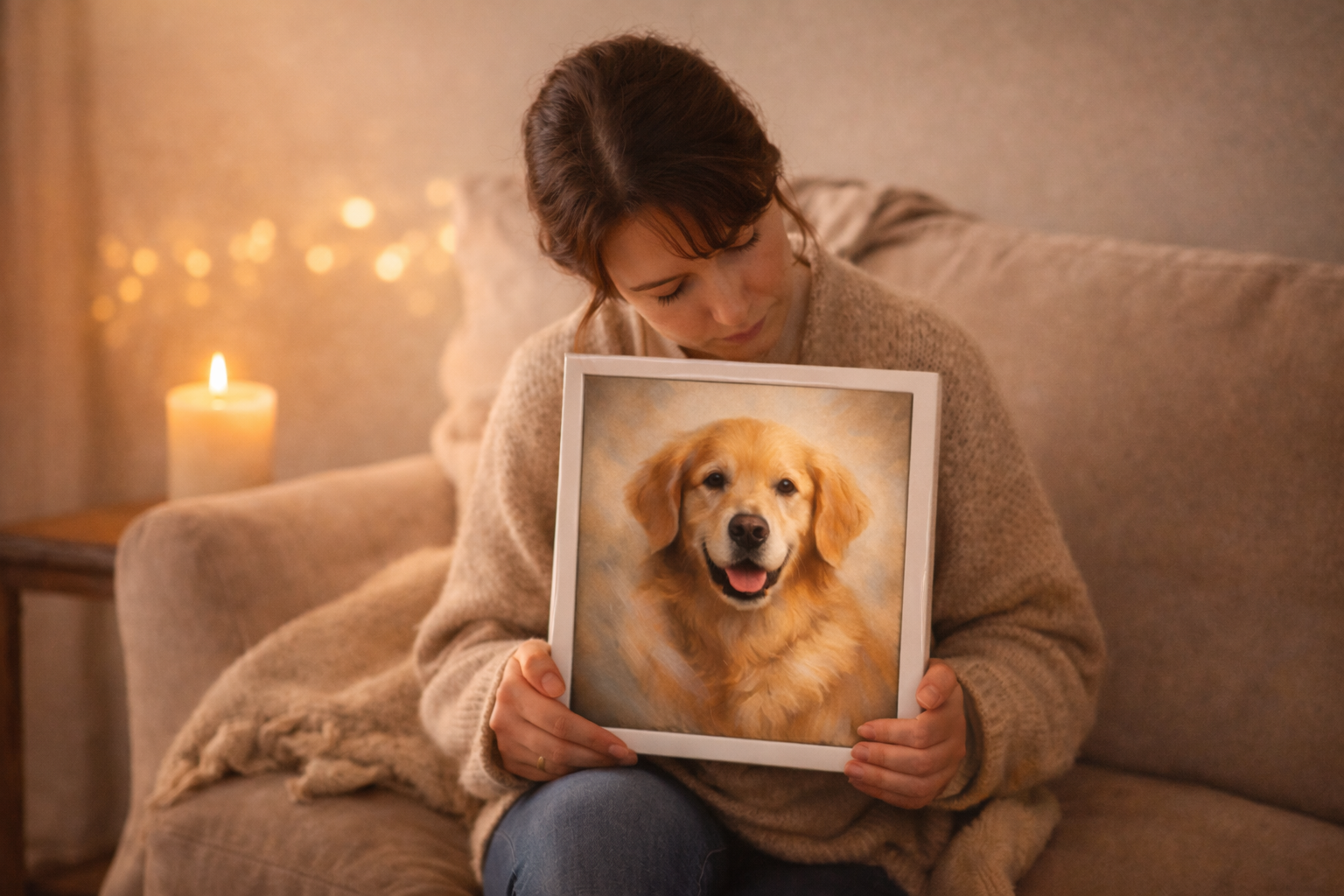
A memorial painting does not need a formal pose or a special occasion. An everyday expression can hold more meaning than a carefully staged picture. Think about what you most want to recognize when you look at the artwork: a head tilt, bright eyes, a relaxed posture or the distinctive shape of an ear.
SnappyCanvas's pet memorial portrait collection offers a starting point for choosing a tribute. Look at examples and discuss your photo before deciding on a particular style or composition.
Choose an expression that feels familiar
Begin by choosing two or three photographs that capture your pet's personality. You may prefer an alert, playful expression or a quieter moment. Neither is a better choice; the useful question is which one feels most recognizable to you.
If you have pictures from different ages, tell the artist which age you want represented. A puppy photograph and a senior portrait may show different coat colors, markings and facial features. Make it clear which image should guide the finished likeness.
Check the photo's useful details
Open the image at a larger size and look closely at the face. A picture can feel clear on a small phone screen while showing little detail when enlarged.
- Eyes: Look for visible shape and color without heavy shadow or glare. If flash has changed their appearance, include another reference and explain it.
- Coat and markings: Check distinctive patches, muzzle color and the line between light and dark fur. For a dark-coated pet, choose a photo where the features remain visible.
- Ears and face shape: Avoid a crop that cuts off details you want included. If an ear naturally folds differently, mention it.
- Camera angle: An image taken near your pet's eye level can provide a more familiar view than a steep angle from above. Choose the angle you actually want shown.
- Original file: Use the camera or phone original when available. A screenshot or compressed social-media copy may contain less detail.
A meaningful image does not have to be technically perfect. If the only photo you have is small, faded or blurred, ask for an assessment before ordering. Share additional references if available, while recognizing that an artist cannot recover unseen features with certainty.
Explain the details that make the portrait yours
The artist has the photographs; you have years of familiarity with your companion. A short note can help connect the two. Mention details that might otherwise be mistaken for lighting or overlooked.
Please use the expression and pose in Photo 1. The small white patch on the chest and the folded left ear are important. Photo 2 shows the eye color more clearly. Please keep the collar, simplify the background, and let me know if you need another reference.
If you would like a name, dates, a short phrase or a paw-print reference incorporated, discuss the request and available options first. Confirm spelling and dates carefully. A portrait without wording can be just as personal.
Choose the background and artistic style
A favorite garden, chair or walking spot may be part of the memory. Alternatively, a simple background can keep attention on the face. Tell the artist which parts of the original setting matter and which can be simplified.
For the style, oil-style portraits can offer a rich, traditional appearance, while watercolor-style artwork can feel softer and lighter. Browse the pet portrait collection for examples with a subject similar to yours. Our oil-style versus watercolor guide can help you compare their visual character.
Choose from the actual examples and product details. A style name alone does not tell you the physical medium or surface texture of the finished artwork.
Consider where you would like to display it
You may want a portrait beside a favorite photograph, in a quiet corner, or on a wall you see every day. Measure that space and consider whether you want a close portrait of the face or more of the body and setting.
Check the current canvas sizes and finish options on the product page. The composition should have enough room for the details that matter to you. If the artwork will include several pets, discuss the arrangement and size before ordering.
Review the proof at your own pace
If your order includes an artwork proof, review the likeness before focusing on decorative details. Compare it with the chosen reference and make specific notes.
- Does the expression feel like your pet?
- Are the eyes, ears, muzzle and coat markings right?
- Is the intended age and coloring represented?
- Have requested background changes been addressed?
- Are any names, dates or other personal details correct?
For revisions, say what you would like adjusted: “Please make the white chest patch smaller” is more useful than “something looks different.” Ask about the proof and revision process before ordering so you know what to expect.
If the portrait is a sympathy gift
Consider whether the recipient would welcome a portrait and want to help choose the photograph. A surprise is not always the best fit for something so personal. You can offer to arrange the artwork while letting them decide when to choose a photo and which memory to use.
A simple note remembering a specific habit or happy moment may mean more than elaborate wording on the canvas. There is no need to promise that the gift will make someone feel better.
Questions about pet memorial portraits
Can you use an older printed photograph?
A clear scan is a useful starting point. If you photograph the print, keep the camera square to it and avoid reflections. Send the result for assessment if the original is damaged or the pet's face is small.
Can two pets from separate photographs appear together?
Ask about combining the references into one composition. Identify each pet, their relative sizes and how you want them arranged. Our guide to combining separate photos explains the same reference-selection principles.
Does a memorial portrait need dates or a message?
No. You can choose a portrait focused entirely on your pet. If you want wording, discuss placement and available customization options before ordering.
A familiar face, in a place of your choosing
A pet memorial portrait can be a personal way to remember your companion's presence and personality. Start with the photograph that feels right to you, share the details you want preserved, and take the time you need to choose.