Shopping Cart

 Products




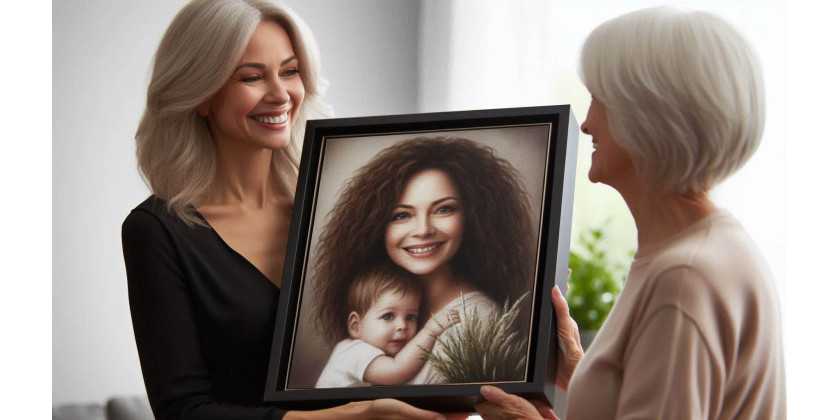

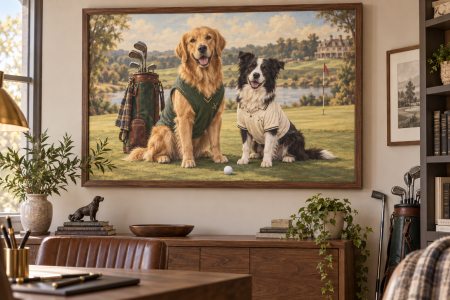


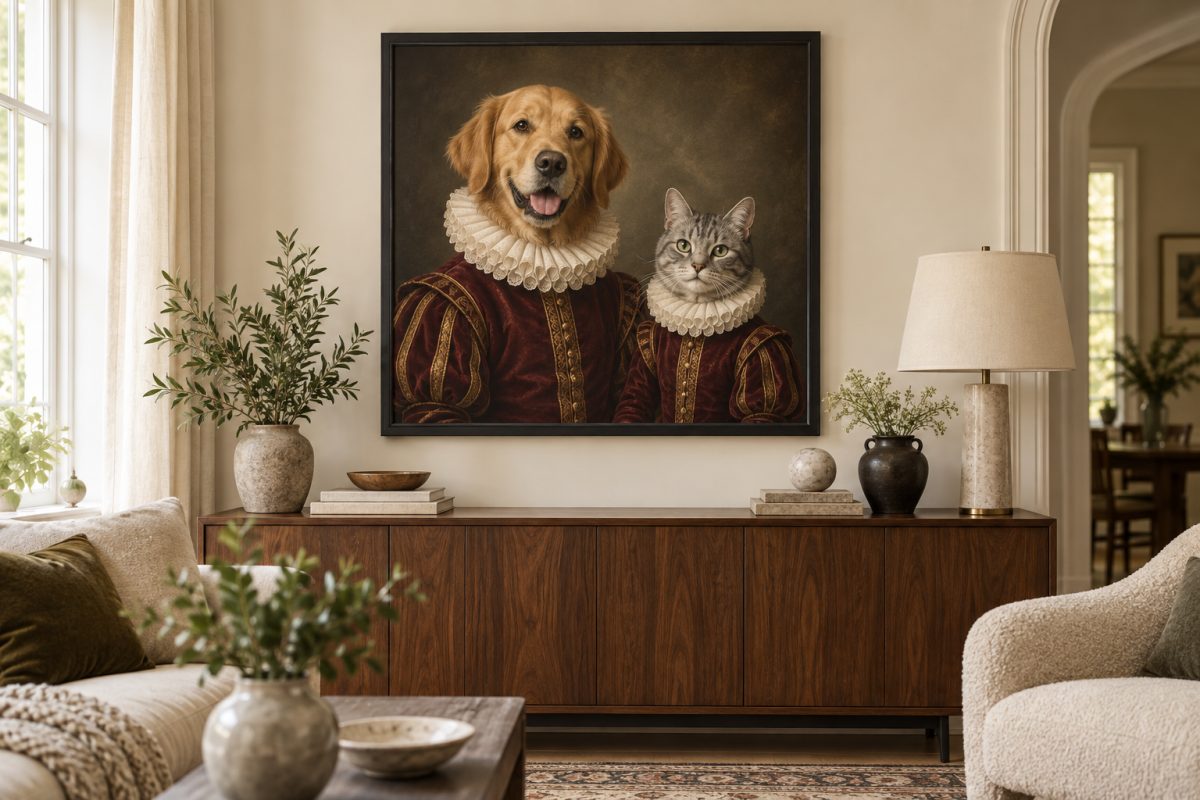
Two pets can share a home without ever sitting still together. A royal pet portrait can celebrate both personalities, whether you want one shared canvas or two individual portraits displayed as a pair. The first decision is the arrangement: should the artwork tell a story about them together, or give each pet a starring role?
This guide helps you plan a royal pet portrait with two pets, choose references and write clear instructions. For the costume options themselves, start with our royal pet portrait style guide.
Lead image: AI-generated illustration of a shared Renaissance-inspired pet portrait. It is a planning example, not a customer order or a guarantee of an exact composition.
One portrait or two matching portraits?
Choose one shared portrait when the relationship between the pets is the point: inseparable companions, a familiar dog-and-cat duo, or two dogs who make the household feel complete. A single composition gives them one place on the wall. It also means deciding how much space each face needs and how their different sizes should be represented.
Choose a matching pair when you want each pet to have an individual expression, costume or pose. Separate portraits can be rearranged, hung side by side or displayed vertically in a narrow space. Coordinate canvas sizes, finishes and background preferences so the pair feels intentional. Two separate canvases require separate portrait selections; selecting two subjects describes the subjects within a portrait, not a request for two canvases.
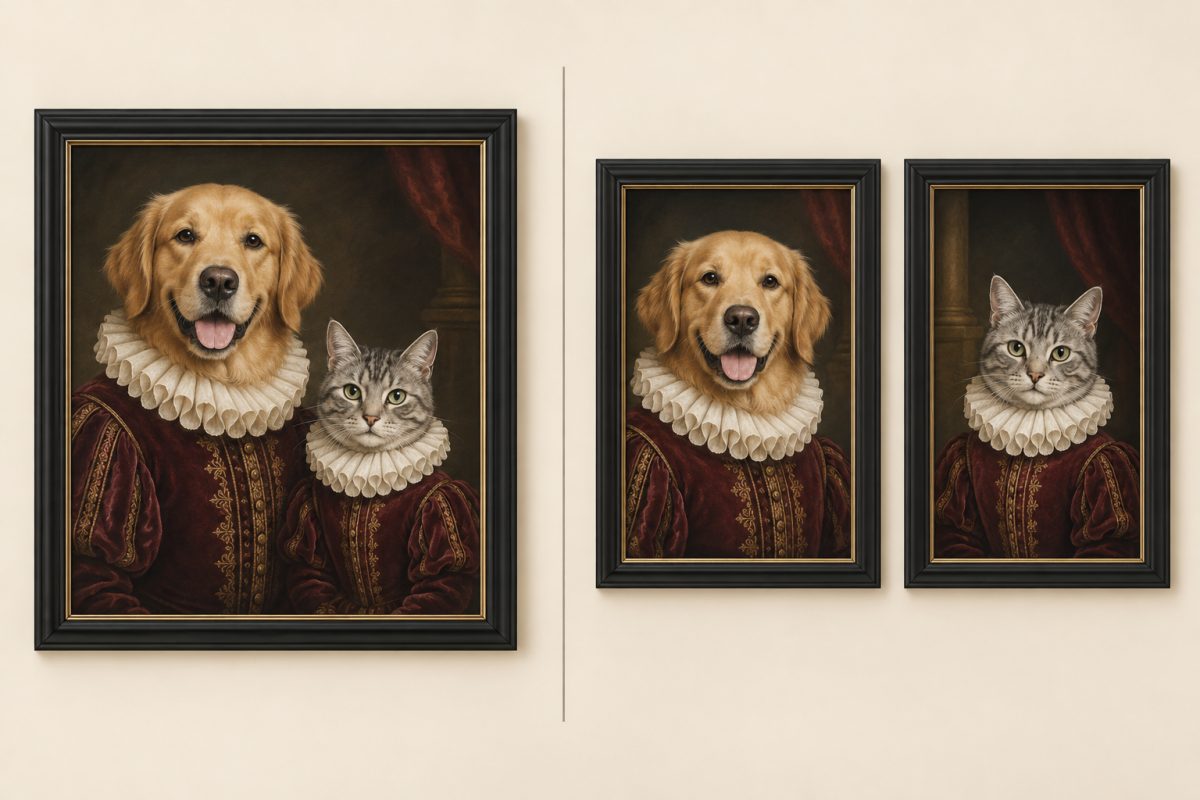
Plan the space around two recognizable faces
A portrait that works for one pet can feel crowded with two. Before picking a size, mark the intended artwork area on your wall with removable paper. Look from the place where you will normally see it, such as the sofa or hallway entrance. Ask whether both faces would remain a focal point at that distance.
For a pair, measure the whole arrangement: both canvases, the gap between them and any extra width from framing. Keep the top edges aligned for a calm display. A consistent frame finish helps tie different poses together.
Canvas size alone does not determine the layout. Explain whether you prefer a close view of both faces or more of the clothing, and check that preference against the options on your chosen product. Avoid assuming every example composition will work unchanged for every size.
Use separate photos when they show each pet better
You do not need to force both animals into the same photograph. The current Shakespearean pet portrait and Admiral pet portrait pages describe multi-pet orders using the appropriate Number of Subjects option and clear photographs of each pet.
Choose the strongest reference for each animal rather than a group shot in which one face is blurred or hidden. Similar camera height and light direction make your intended arrangement easier to explain. If one photo is a close-up and the other was taken across the room, add a note about their relative size; apparent size in a photograph can be misleading.
- Label files with each pet's name so instructions can refer to them clearly.
- Keep eyes, ears and distinctive markings visible.
- Use original images where possible, without heavy filters or cropping.
- Include another reference if an important marking is missing from the main photo.
Our photo guide for royal pet portraits covers lighting, angles and image selection in more detail.
Tell the artist what the photos cannot explain
A concise note about scale and placement is more useful than a long list of decorative ideas. An instruction could read:
“Please place Milo, the golden dog, on the left and Olive, the tabby cat, on the right. Milo is much larger in real life. Keep Olive's white chin visible. I prefer both faces looking toward the viewer.”
This is a sample ordering note, not a customer story. Adapt it to your pets, and distinguish essential details from preferences. If you want different costumes within one portrait, an unusual arrangement or a specific background, ask whether that combination can be accommodated before purchasing. A gallery image is a style reference, not confirmation of every customization.
Choose a royal style that works for both pets
A Renaissance pet portrait can bring the pair together through coordinated clothing. The Shakespearean design uses a doublet and ruff and is described for dogs and cats. The Admiral design offers a naval character with decorative braid and period-inspired attire, also for dogs and cats. Browse the royal and aristocratic pet portrait collection to compare live examples and personalization options.
For two separate portraits, matching the style is the simplest way to create a set. Different characters can also work together if you coordinate the finish and display size. Choose based on the pets' expressions and the room where the artwork will hang, rather than trying to make both animals look identical.
Check these details before placing the order
- Format: one portrait with two subjects, or two individual portraits?
- Subject count: select the appropriate option for each portrait.
- References: identify each pet and note important differences in size or markings.
- Display: check size and finish against the full available wall space.
- Review: the Shakespearean and Admiral pages offer an optional artwork proof; select that option if you want to review the design before production.
If you choose a proof, compare both likenesses separately before looking at the composition as a whole. Check names against files, markings, left/right placement and relative scale. Then step back and consider whether both pets feel equally intentional in the arrangement.
Common questions about portraits with two pets
Can a dog and cat be included together?
The Shakespearean and Admiral product pages describe portraits for dogs and cats and provide guidance for multiple subjects. Select the appropriate subject count and provide a clear reference for each animal. Confirm any unusual mixed-costume request before ordering.
Do both pets need to wear costumes in their photos?
No. Use clear everyday photographs. The period-inspired styling is part of the portrait design.
What if the pets never sit together?
Use separate photographs and explain placement and relative size. For broader advice on assembling references, see combining multiple photos into one painting.
Start with the royal pet portrait collection, choose a character, and decide whether your companions belong together on one canvas or in a coordinated pair.