Shopping Cart

 Products


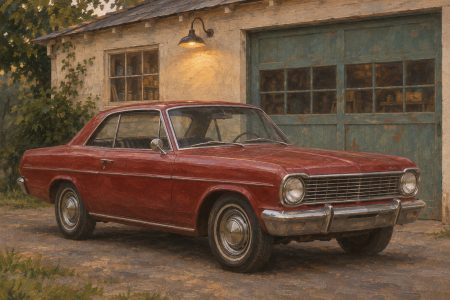




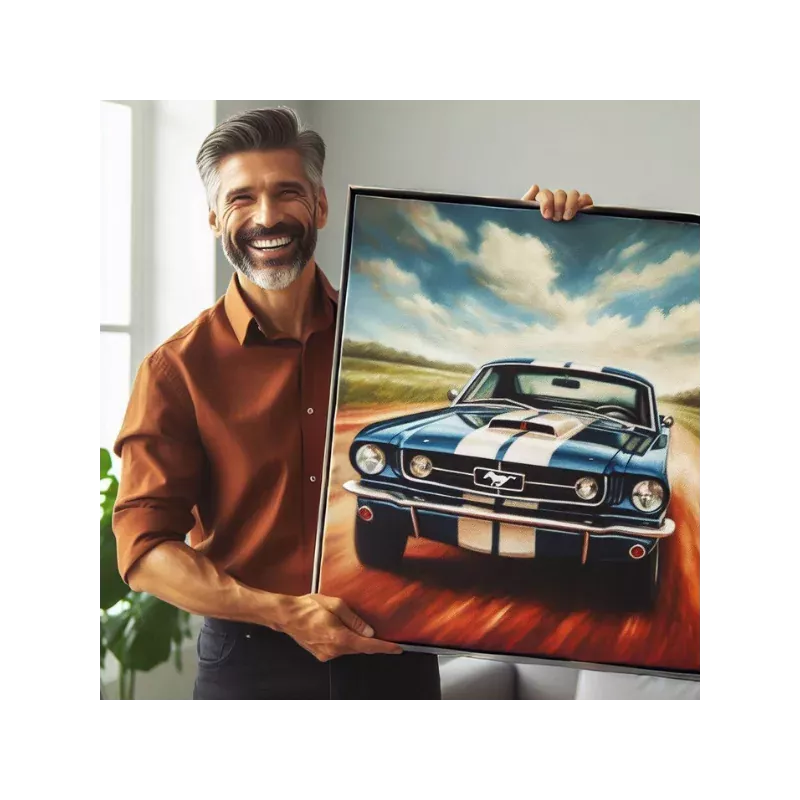
Your first car, a long restoration project or the vehicle behind a favorite road trip can carry memories that go well beyond the mileage. A custom car painting gives those memories a place on your wall.
To turn a car photo into canvas art, choose a clear image that shows the angle and details you want preserved, explain any background changes, and select a size that suits the composition. The best reference is one that shows your particular car clearly, including the features that make it yours.
This guide is about a portrait of a vehicle on canvas. Start with the examples on the custom car painting product page to see the kind of artwork available.
Choose the view that tells your car's story
A front three-quarter view shows both the front and one side of the car. It can be a useful starting point when you want to show the grille, body shape and wheels together. A side view gives more emphasis to the silhouette, while a straight-on front view can make a distinctive grille or headlight arrangement the focus.
Choose the angle you actually want in the painting. A single front-facing photograph does not reveal every detail of the sides or rear. If you want a substantially different view, provide another reference rather than expecting the artist to reconstruct unseen features.
Take a useful reference photo
If the car is still available to photograph, a few deliberate choices can make the reference much easier to work from. Park it safely, leave space around it and take several pictures before choosing one.
- Keep the whole car in the frame. Leave room around the bumpers, roof, mirrors and wheels so the artist has options when composing the portrait.
- Check reflections. Glare on paint, glass and chrome can hide detail or make the body color hard to judge. Try a different position or softer light.
- Avoid getting extremely close with a wide-angle lens. This can exaggerate the nearest bumper or wheel. Step back when possible and compare the proportions in the photo.
- Watch for obstructions. People, signs and neighboring vehicles can cover important parts of the car. Choose a clearer view if you have one.
- Keep the original file. Send the camera or phone image rather than a screenshot or heavily compressed social-media copy.
A photograph from an old album can also be meaningful. If it is your only image of a car you no longer own, share a clear scan for assessment before ordering. Explain which details you remember and which ones are uncertain.
Identify the details an enthusiast will notice
Small differences can matter a great deal to the person who knows the vehicle. Tell the artist the make, model and year when known, but use photographs to show the actual car rather than relying only on those labels.
Point out distinctive wheels, stripes, badges, trim, roof configuration or modifications. If the car changed during a restoration, specify which stage you want represented. Reference photos from different years may show incompatible details.
You can also ask whether the license plate should remain recognizable, be simplified or be omitted. Give clear instructions for any lettering you want included and check it carefully at the proof stage.
Decide how much background to keep
A favorite road, the family driveway or a workshop may be part of the story. If the setting matters, explain what you want preserved. If it does not, discuss a simpler background that keeps the attention on the vehicle.
For a different setting, provide a reference or a short description. A car photographed in strong midday light may need interpretation to sit naturally in a softer scene. Let the artist assess what will work instead of assuming every background swap is straightforward.
A useful instruction note might be: “Use the car and viewing angle in Photo 1. Please preserve the wheels and side stripe, remove the parking-lot signs, and use a quieter background. Photo 2 shows the paint color more accurately.”
Choose a canvas that gives the car room
A landscape canvas often suits a side view or a scene with space around the vehicle. A closer front view may work in a different shape. Match the canvas to the image rather than choosing a size before considering the crop.
Measure the display area and view it from your usual distance. An office, study or indoor collection wall may suit a different size from a large living-room focal point. Check the current finish options and their presentation requirements on the product page.
For a garage display, consider the environment as well as the available wall. Keep artwork away from moisture, direct sunlight and areas exposed to splashes or workshop residue, and follow the care instructions for the selected finish.
Make a car portrait gift personal
A car portrait can mark a restoration milestone, a birthday, a retirement or the memory of a first vehicle. The most useful detail is often the connection to that specific car: the trips it took, the work put into it or the person who owned it.
If you are ordering for someone else, try to confirm their favorite photograph and the details they would want preserved. A recent image may show different wheels or paint from the version they remember most fondly. Discuss the required arrival date before ordering, allowing time for any artwork revisions.
Review the artwork proof like the owner would
If your order includes a proof, look at the whole composition first, then check the vehicle carefully against your reference.
- Does the body shape and viewing angle feel right?
- Are the wheels, lights, grille and trim recognizable?
- Are stripes, badges and modifications represented as requested?
- Does the color treatment match your instructions?
- Are any plate details, names or lettering correct?
- Is the car comfortably positioned within the crop?
Be specific with revision notes. “Please keep the original five-spoke wheels shown in Photo 1” gives a clearer direction than “make it more accurate.” Screen colors vary, so ask about any color concern before approving.
Questions about car paintings from photos
Can I use a photograph of a car I no longer own?
Yes, a suitable existing photo can be the starting point. Share the best available file for assessment and avoid treating unclear details as certain. Additional photographs can help clarify the vehicle.
Can the background be changed?
Discuss the change with your reference image and preferred setting. The feasibility depends on the photo and the work requested.
Can a person or a second car be included?
Ask about the proposed arrangement, references, subject-count options and price before ordering. Our guide to combining separate photos explains how to make the references and instructions clear.
Give a favorite ride a place on the wall
Begin with the photograph that captures the vehicle as you want to remember it. Identify the details that matter, choose a composition that gives it space, and tell the artist what makes this car personal.
Create a custom car painting from your photo, or ask us about your image before choosing your options.