Shopping Cart

 Products
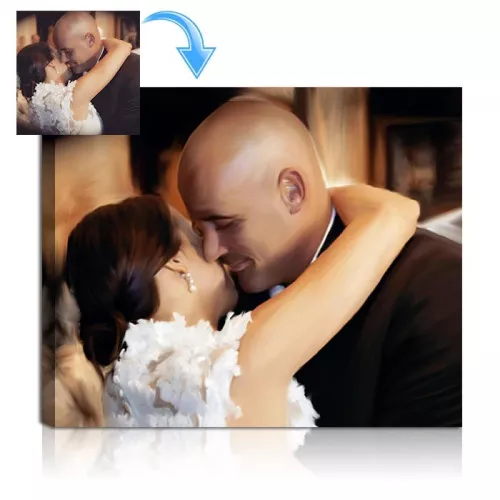



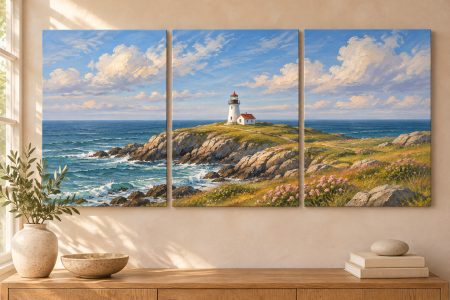
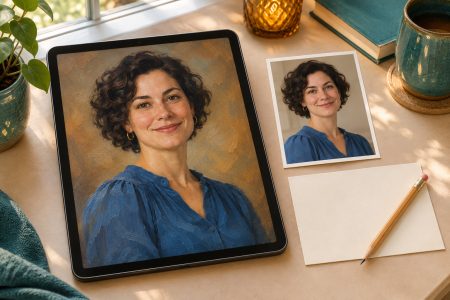
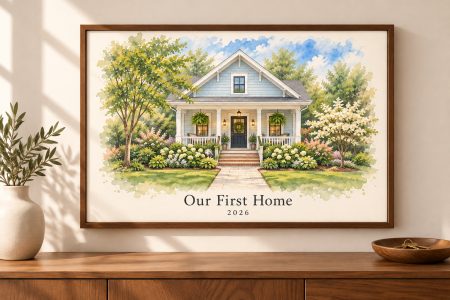
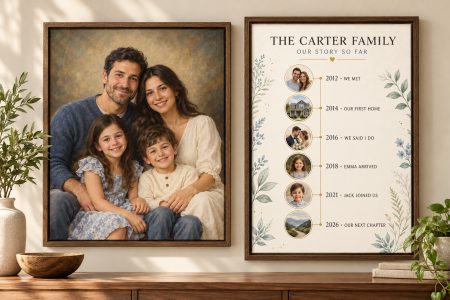
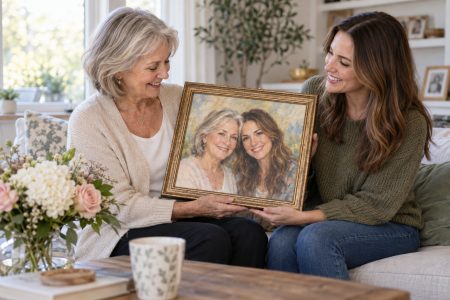

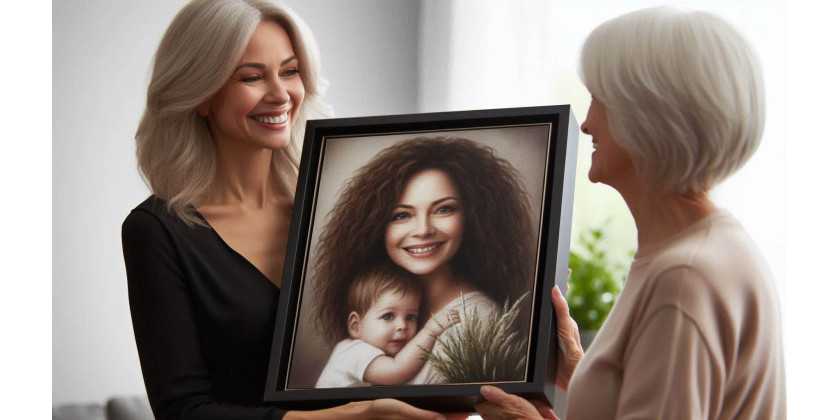

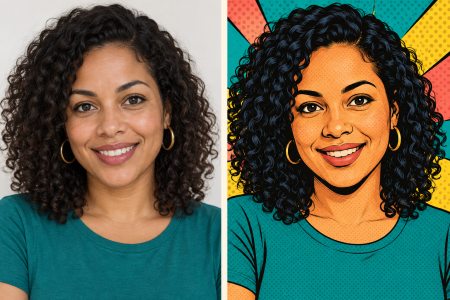
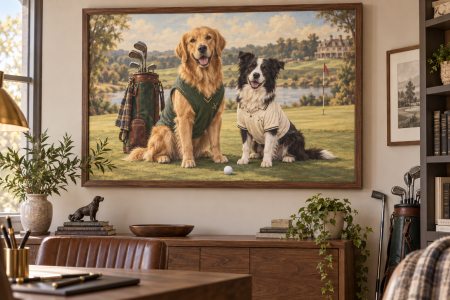


Lead image: an AI-created illustration, not a customer photograph or completed order. Room settings are illustrative.
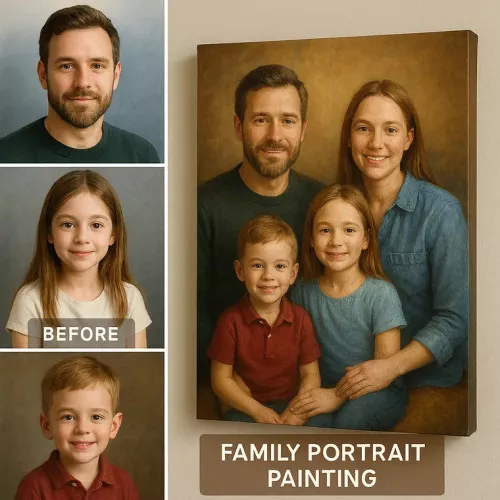
A custom family portrait can bring loved ones into a shared composition when there is no single photograph of everyone together. It can also give a favorite gathering a permanent place in the home. The best starting point is a clear plan for who belongs in the picture and what you want the portrait to remember.
Rather than relying on a perfect group photo, organize the references around the people. SnappyCanvas's Family Portrait Painting can be created from one photograph or several separate pictures.
Decide who and what the portrait should include
Write a simple list of the people to include before choosing the artwork size. Identify each person in the supplied photos and specify anyone who should be left out. If a pet is part of your plan, confirm the appropriate subject options with the artist.
Think about the feeling of the composition. A relaxed group might recall everyday family life, while a more formal arrangement may suit an anniversary or reunion gift. Explain which clothing, expressions or personal details matter most instead of asking for every background feature to be reproduced.
Choose compatible separate photographs
Look for clear faces, useful lighting and similar camera angles. A straight-on portrait and a sharply overhead snapshot may be harder to combine naturally. Use the original files when available, and avoid heavily filtered references that change skin tones or features.
- Choose a main reference for each person's face and expression.
- Include shoulders or more of the body if the planned crop needs them.
- Identify which reference should guide clothing when it differs.
- Explain relative heights and the preferred grouping.
- Ask whether older or low-resolution photos are suitable before planning around them.

For a fuller reference checklist, read our guide to combining multiple photos into one painting. Additional images can clarify details, but enlarging a small file does not recreate information that is missing.
Give the composition room to work
A portrait with many people needs different proportions from a close-up of two faces. Discuss the arrangement before choosing a narrow crop, and allow space around heads so important features remain visible.
Choose a background that connects the group without adding distractions. A simple setting can keep attention on the people. If a family home or meaningful location is essential, provide a separate reference and explain how prominent it should be.
Match the artwork to the display space
Measure the available wall area and check the current product sizes and finishes. Consider where the portrait will be viewed from, the surrounding furniture and the recipient's existing decor. A room visualization can inspire an arrangement, but it is not a substitute for measurements.
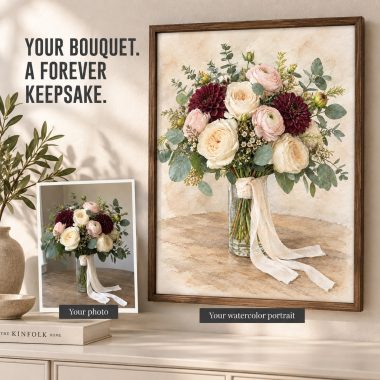
If you are comparing visual treatments, our oil-style and watercolor portrait guide explains their different appearances. Confirm that the treatment you want is available for your chosen product.
Review each person before approving
Check the product's current proof process before ordering. When reviewing a preview, compare every face individually rather than judging only the overall scene. Check expressions, relative size, clothing and the placement of hands or shoulders.
Keep revision notes specific: identify the person, the feature and the reference that shows the requested change. If the portrait includes someone who has died, consult the recipient about the idea and their preferred photograph before making it a surprise.
For a celebration, confirm current production and delivery expectations and allow time for review. Start with the custom family portrait options, then build the instructions around the people who make the picture meaningful.